October 15, 2026
Running a business requires careful planning, and property maintenance is no exception. Painting may seem like a straightforward improvement, but commercial projects can affect employees, customers, tenants, equipment, and daily operations. Scheduling the work at the right time helps reduce interruptions while ensuring the property receives the attention it needs.
A well-planned painting project also makes it easier to coordinate preparation, repairs, application, drying time, and final inspections. Whether you are maintaining an established facility, preparing for new occupants, or updating an outdated space, commercial painting services should be scheduled with the property's needs and your business calendar in mind. Taking time to plan ahead can make the project more efficient and easier to manage from start to finish.
Determine When Your Property Needs Painting
Assess the Condition of Your Existing Paint
The first step in scheduling commercial painting is to determine whether your property actually needs a new coating. Walk through the building and inspect both interior and exterior surfaces for visible signs of deterioration. Fading, peeling, cracking, stains, scuff marks, moisture damage, and exposed areas can indicate that existing paint is no longer providing the appearance or protection your property requires.
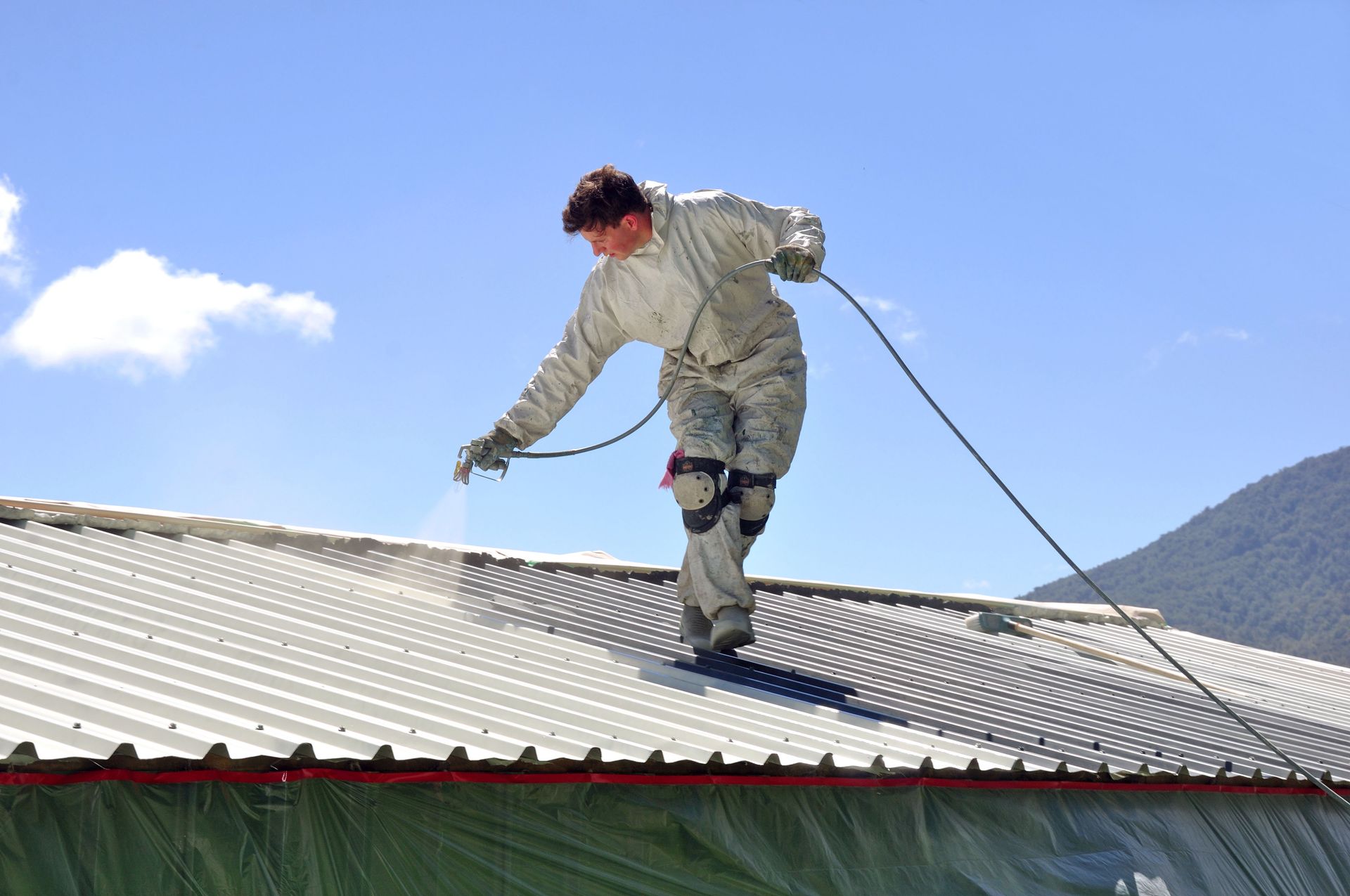
Exterior surfaces deserve particular attention because they are continually exposed to weather and other environmental conditions. According to Workyard, exterior surfaces generally need repainting every seven to 10 years. This provides a useful maintenance guideline, although the actual schedule can vary based on the building's materials, climate, exposure, and quality of the existing coating.
Interior spaces may require painting based on different factors. High-traffic hallways, offices, retail areas, restaurants, and other frequently used spaces can develop scuffs and visible wear more quickly than less active areas. Scheduling commercial painting services before deterioration becomes extensive may help you address maintenance needs before they require more extensive surface preparation or repairs.
Consider Upcoming Business Changes
Business milestones can provide a practical reason to schedule painting. A renovation, rebranding initiative, tenant transition, property sale, or upcoming lease period may create an opportunity to update the building's appearance. Planning painting around these events can help ensure the property looks finished and presentable when customers, employees, or prospective occupants arrive.
New tenants may also expect a clean, professionally maintained space before moving in. If you manage multiple commercial units, coordinating painting between occupants can make it easier to complete work without interfering with active operations. Property owners should consider anticipated vacancies and lease turnover when developing a broader maintenance schedule.
Account for Preventive Maintenance
Waiting until paint is severely damaged can make a project more complicated. Regular inspections allow business owners and property managers to identify deteriorating surfaces before peeling, moisture intrusion, corrosion, or other issues become more extensive. Preventive maintenance can also make painting easier to incorporate into an established property management schedule.
Commercial painting services can be part of a larger maintenance strategy rather than an isolated improvement. Exterior coatings can help protect building surfaces from weather exposure, while interior coatings can help maintain walls in areas subject to frequent use. Scheduling maintenance before conditions become severe may help preserve the condition and appearance of the property.
Plan the Project Around Business Operations
Choose a Low-Impact Timeframe
Once you know painting is needed, the next step is selecting a timeframe that minimizes disruption. Businesses should consider their busiest seasons, customer traffic, staffing schedules, production demands, and important events before setting a project date. A retail business may prefer work during slower periods, while an office may benefit from painting after normal business hours or during a scheduled closure.
When scheduling commercial painting services, communicate operational requirements to the contractor as early as possible. Details such as business hours, access restrictions, security procedures, parking limitations, customer traffic, and sensitive areas can influence how the project is organized. Early communication helps the painting crew develop a schedule that works with the property's normal activities.
Consider Weather and Site Conditions
Weather can have a significant effect on exterior painting schedules. Rain, excessive moisture, temperature fluctuations, and other unfavorable conditions may interfere with surface preparation, coating application, or drying. Business owners should therefore avoid treating an exterior painting date as completely fixed until the contractor has evaluated current conditions.
Seasonal planning can help reduce weather-related complications. Depending on the region and building, some periods may provide more consistent conditions for exterior work than others. However, the appropriate timing depends on the coating products, building surfaces, project requirements, and local weather patterns.
Coordinate Preparation and Access
Painting involves more than applying a new coat of paint. Before work begins, surfaces may need cleaning, sanding, scraping, patching, repairs, priming, or other preparation. Business owners should allow enough time for these activities when planning the overall project rather than scheduling only for the expected painting days.
A detailed project schedule should account for preparation, painting, drying, cleanup, and inspection. Commercial painting services are easier to coordinate when everyone understands what will happen at each stage. Establishing these expectations before the crew arrives can reduce confusion and help the project move efficiently from preparation through completion.
Build a Practical Painting Schedule
Discuss the Scope With a Contractor
After identifying the property's needs and preferred timeframe, schedule a consultation with a commercial painting contractor. The contractor can evaluate the building, discuss the surfaces involved, identify preparation requirements, and provide an estimate of the project's expected duration. This assessment is especially important for larger facilities where the visible painting area may not accurately reflect the full scope of the work.
During the consultation, provide as much information about your operations as possible. Explain which areas must remain accessible, whether employees or customers will be present, and whether there are deadlines associated with tenants, inspections, renovations, or other business activities. These details can help the contractor develop a more practical project plan.
Commercial painting services can vary significantly in scope, from updating a few offices to coating an entire commercial or industrial facility. A contractor with experience handling commercial properties can help determine how the work should be sequenced. The final schedule should account for the property's size, surface condition, number of areas involved, and operational requirements.
Establish a Detailed Timeline
A useful painting schedule should identify major project stages and establish realistic expectations for completion. Depending on the property, these stages may include initial preparation, surface repairs, priming, painting, drying, cleanup, and final inspection. Larger projects may require multiple crews or separate phases to keep the property functional.
Avoid scheduling the project so tightly that there is no room for unexpected conditions. Hidden surface damage, additional preparation, weather interruptions, or changes requested during the project can affect the timeline. Allowing some flexibility can make it easier to address these issues without creating significant problems for the business.
Plan for Minimal Disruption
Keeping a business operational during painting requires coordination between the property owner, employees, tenants, and contractor. Work may be scheduled during evenings, weekends, holidays, slower business periods, or planned closures when appropriate. For larger properties, dividing the work into sections can allow unaffected areas to remain open.
Commercial painting services should also be organized around practical safety and access considerations. Work areas may need to be separated from employees and visitors, while equipment and materials must be positioned without creating unnecessary obstacles. Businesses should communicate any special requirements involving customers, employees, deliveries, production areas, or restricted spaces.
Scheduling a commercial painting project is easier when business owners approach it as part of their property's overall maintenance plan. Assess the condition of existing coatings, consider upcoming business changes, account for weather and operating requirements, and allow sufficient time for preparation and completion. With careful planning, commercial painting services can improve a property's appearance and help protect its interior and exterior surfaces without unnecessarily disrupting daily operations. Contact GPS Contractor Corp for professional painting services that fit your business needs and timeline!